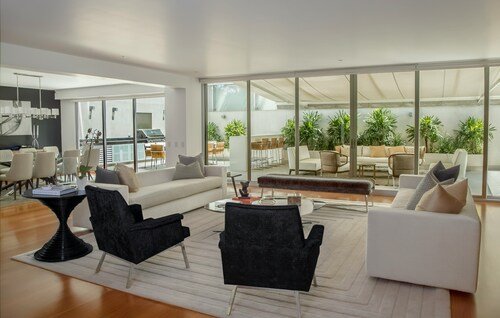
Enhanced Social Interaction
Open floor plans have emerged as a popular architectural choice, primarily due to their ability to foster enhanced social interaction. By eliminating walls and barriers that separate various living spaces, these layouts create a seamless flow between the kitchen, dining, and living areas. This design not only improves the overall aesthetic of a home but significantly enhances communication and connectivity among family members and guests.
The psychological benefits of shared spaces in an open floor plan are considerable. Families often find themselves spending more quality time together, as the open layout encourages the congregation of individuals in common areas. Whether it is during meal preparation, casual conversations, or entertainment, family members can engage with one another without feeling isolated in separate rooms. This interaction promotes stronger relationships, increases feelings of togetherness, and curates an inviting atmosphere.
Furthermore, open floor plans are advantageous when hosting gatherings and social events. Guests are free to mingle, move about comfortably, and engage in conversations without spatial restrictions. The fluidity of an open space allows for natural interactions, enhancing the overall experience of hosting. This layout can accommodate larger groups, making it simpler for hosts to serve food and drinks or include a variety of activities without the constraints imposed by traditional layouts.
In summary, the design of open floor plans significantly contributes to enhanced social interaction among inhabitants. By utilizing shared spaces effectively, families can enjoy increased opportunities for connection, while also creating a more inviting and inclusive environment for guests during social gatherings. As such, open floor plans represent a beneficial investment for those prioritizing relationships and hospitality within their living spaces.
Increased Natural Light and Visual Space
One of the most significant advantages of open floor plans is the improved distribution of natural light throughout the home. In traditional layouts, walls between rooms can obstruct the flow of light, resulting in darker spaces. However, an open floor plan eliminates these barriers, allowing sunlight to penetrate deeper into the dwelling, creating a brighter and more cheerful environment.
Natural light has a profound impact on mood and overall mental health; exposure to sunlight can enhance feelings of happiness and well-being. Studies have shown that ample natural light can decrease symptoms of depression and anxiety. Furthermore, adequate lighting improves the functionality of a space, making daily activities more enjoyable and reducing the strain on artificial lighting sources, which can increase energy efficiency.
The perception of space is also a crucial element in open design. By removing physical barriers, these layouts provide an expansive visual field, making the home feel larger and more inviting. This is particularly beneficial in smaller homes, where maximizing each square foot is vital. The interconnected spaces encourage flow and movement, promoting social interaction among family members and guests.
To maximize the benefits of natural light within an open layout, consider strategic placement of mirrors to reflect sunlight, use lighter color palettes for walls and furniture, and keep windows unobstructed. The incorporation of skylights is another effective method to brighten an open space, flooding it with daylight even on overcast days. Additionally, select sheer window treatments that diffuse light without blocking it, enhancing the warm ambiance of your home. Ultimately, harnessing natural light not only elevates the aesthetic appeal of an open floor plan but also enriches the well-being of its occupants.
Flexibility of Design and Usage
Open floor plans are renowned for their inherent versatility, which allows for a seamless flow between various areas of the home. This design approach fosters a sense of connection among spaces, enabling homeowners to utilize their environments in a more flexible manner. The absence of rigid barriers means that spaces can be easily transformed to accommodate different activities, whether it be social gatherings, home offices, or recreational areas.
One of the primary advantages of an open floor plan is its adaptability to evolving needs. For instance, a family may decide to repurpose a portion of the living area into a play zone for children, incorporating suitable furnishings and play equipment. This adaptability not only enhances the utility of the space but also promotes a more engaging and dynamic family environment.
Moreover, the flexibility extends to the arrangement of furniture and decor within these open spaces. Homeowners can experiment with various configurations, promoting creativity and personalization in their home. The ease of movement within an open layout allows for quick adjustments to accommodate different occasions, such as rearranging seating for a celebration or creating a dedicated workspace when needed. This fluidity in design contributes to the overall functionality of the home, allowing residents to maintain an organized and efficient living space.
In essence, the versatility of open floor plans caters to a broad spectrum of lifestyle requirements, making them increasingly popular among contemporary homeowners. Whether adapting to changes in family dynamics or personal preferences, open floor plans offer a compelling solution for those seeking a harmonious blend of form and function in their living environments.
Potential for Better Energy Efficiency
Open floor plans present significant advantages when it comes to energy efficiency in residential spaces. One of the primary factors affecting a home’s heating and cooling efficiency is the presence of walls, which can restrict airflow and create temperature imbalances within different rooms. In an open layout, the absence of excessive walls allows for improved circulation of air, facilitating more consistent temperatures throughout the space.
For instance, during colder months, a central heating system operates more effectively in an open plan environment. Instead of struggling to heat isolated rooms, warm air can flow freely, ensuring that every part of the living area reaches a comfortable temperature. Similarly, in warmer months, a well-ventilated open space can help mitigate the load on air conditioning systems as cool air can distribute evenly, reducing overall energy consumption.
The design of an open floor plan can also lead to reduced construction costs, which may indirectly contribute to energy efficiency. Eliminating unnecessary walls not only lessens the material required for construction but also simplifies the home’s layout, allowing prospective homeowners to save money upfront. Consequently, these savings can be redirected toward energy-efficient appliances or systems that enhance overall performance.
Real-life examples, such as homes built with green building practices, demonstrate the energy-saving potential of open floor concepts. For instance, builders often report up to a 30% reduction in energy usage for homes featuring open layouts compared to their more compartmentalized counterparts. In summary, the potential for better energy efficiency in homes with open floor plans arises from improved airflow, consistent temperature distribution, and reduced building costs, ultimately fostering a more sustainable living environment.